Pick it when
Pick Ocearoth when your team needs surviving pressure while contributing enough damage or tempo to matter. The signal is HP 24; the follow-up check is whether ATK is enough for the matchup you expect.


Rare
Rare card guide
Updated May 27, 2026
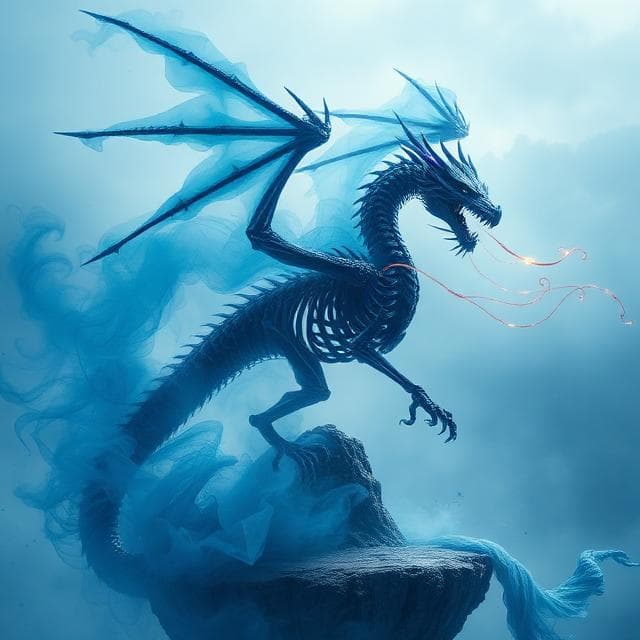
Ocearoth is a rare durable bruiser built around HP 24 leading over DEF 10. The useful read is HP 24 plus ATK 13, so it belongs in teams that can use staying power while protecting the damage reduction gap.
ATK
13
HP
24
DEF
10
SPD
12
Max level
Level 8
Cards to max
71 total
Max stat gain
+60 stats
Ocearoth should occupy the stable middle slot: surviving pressure while contributing enough damage or tempo to matter. A strong pairing is Stonarax, because it gives the lineup a different stat angle while Ocearoth focuses on HP. If the choice is between Ocearoth and Spectral Phase, start by comparing HP 24 against 25 instead of choosing by rarity alone. When duplicates arrive, fuse only if this card is already solving that same battle job in your active lineup.
Strengths
Weak Spots
Developer Battle Read
Developer battle read: Ocearoth is a durable bruiser, not a blank rare card. Its HP 24 and ATK 13 point to surviving pressure while contributing enough damage or tempo to matter. The first teammate I would test beside it is Stonarax, because that pairing reduces the pressure on DEF 10. I would compare it directly with Spectral Phase before spending duplicates, since that shows whether Ocearoth's HP lead is actually needed.
Pick or Skip
Battle Notes
Pick Ocearoth when your team needs surviving pressure while contributing enough damage or tempo to matter. The signal is HP 24; the follow-up check is whether ATK is enough for the matchup you expect.
Avoid forcing Ocearoth into teams that already have enough staying power but still expose DEF 10. If Stonarax or another support card is not available, wait before locking it in.
Ocearoth can grow toward level 8 with a 75-point cap. The first meaningful checkpoint is around 11 total copies or points, so spend duplicates only if this durable bruiser remains part of your main battle plan.
Pairings
Comparisons

Stonarax covers Ocearoth's lower DEF with DEF 15, letting Ocearoth lean harder into staying power.
ATK 22 / HP 30 / DEF 15 / SPD 13
Ocearoth trades down on HP at 24 versus 25. Choose Ocearoth when you need staying power; choose Spectral Phase when staying power matters more than covering DEF.
ATK 18 / HP 25 / DEF 11 / SPD 11

Caelum covers Ocearoth's lower DEF with DEF 15, letting Ocearoth lean harder into staying power.
ATK 24 / HP 30 / DEF 15 / SPD 11

Ocearoth trades down on HP at 24 versus 39. Choose Ocearoth when you need staying power; choose Ignis Golgotha when staying power matters more than covering DEF.
ATK 24 / HP 39 / DEF 12 / SPD 10
Level Growth
Each card copy counts as 1 progression point. The table shows the first point total that reaches each level, the duplicate copies beyond your first card, and the stat gain versus the previous level.
Level 1
1 card total
Duplicates
+0
ATK
13
-
HP
24
-
DEF
10
-
SPD
12
-
Level 2
11 cards total
Duplicates
+10
ATK
14
+1
HP
27
+3
DEF
11
+1
SPD
13
+1
Level 3
21 cards total
Duplicates
+20
ATK
16
+2
HP
31
+4
DEF
13
+2
SPD
15
+2
Level 4
31 cards total
Duplicates
+30
ATK
18
+2
HP
34
+3
DEF
14
+1
SPD
17
+2
Level 5
41 cards total
Duplicates
+40
ATK
20
+2
HP
38
+4
DEF
16
+2
SPD
19
+2
Level 6
51 cards total
Duplicates
+50
ATK
22
+2
HP
42
+4
DEF
17
+1
SPD
21
+2
Level 7
61 cards total
Duplicates
+60
ATK
24
+2
HP
45
+3
DEF
19
+2
SPD
22
+1
Level 8
71 cards total
Duplicates
+70
ATK
26
+2
HP
49
+4
DEF
20
+1
SPD
24
+2
Same Rarity